Services
One process, five services
Design generation, prototyping, materials, simulation and bodywork are one capability with five entrances. They are listed separately because they are briefed separately.
- Design
- Generate · Engineer
- Make
- Print · Machine · Fabricate
- Prove
- Simulate · Fit · Report
The five
Where a job enters
Five entrances to one process, not five departments. A brief enters through the service that names its problem, then crosses into the others as the part gets real.
A generated form becomes a machined part. A machined part becomes a simulation case. A simulation result becomes a panel that has to fit the car it was scanned from. Each page below sets out what that service takes in, what it hands back, and what it will not claim.
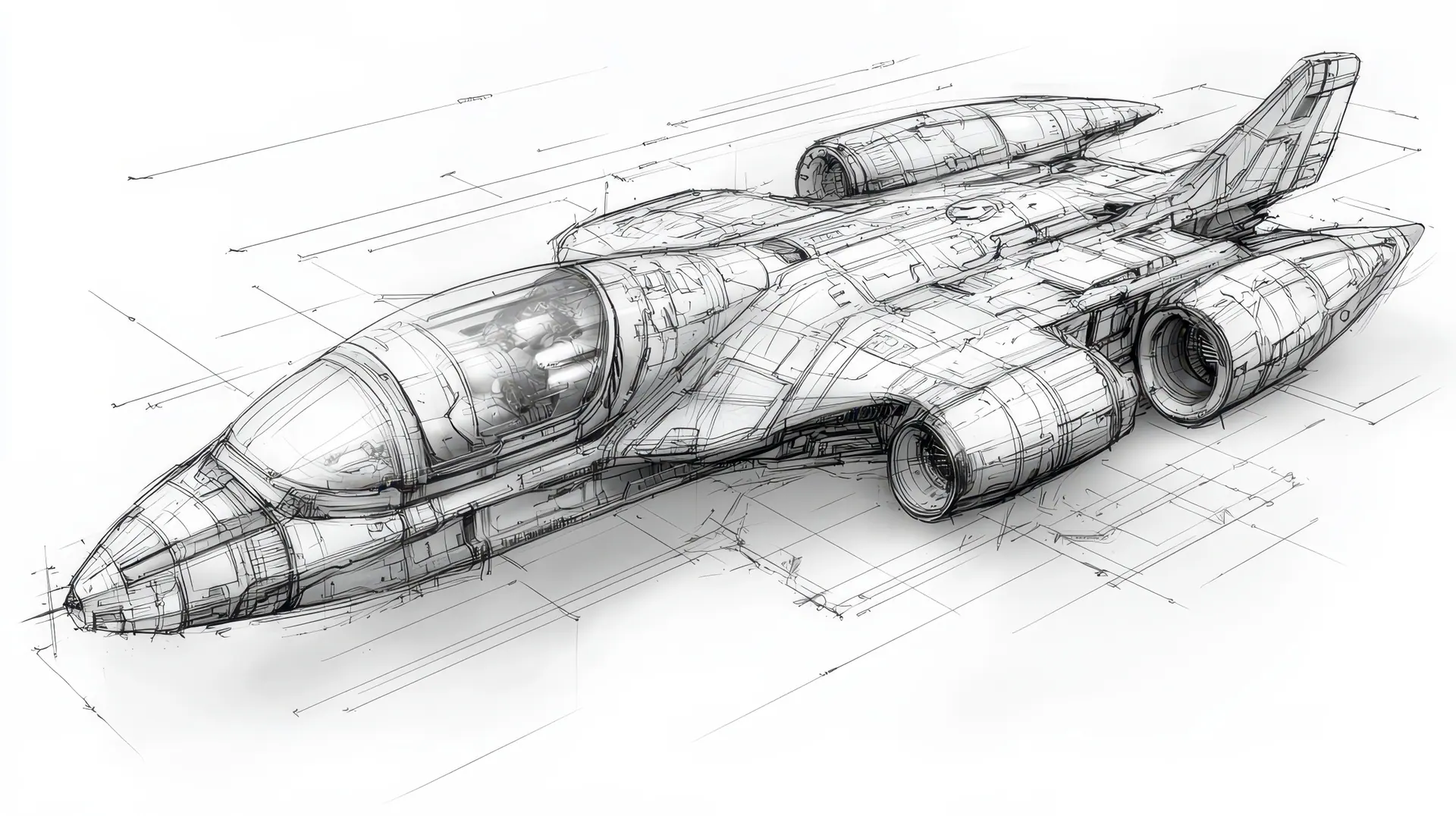
AI Design Generation
Text, sketch or scan to parametric CAD.
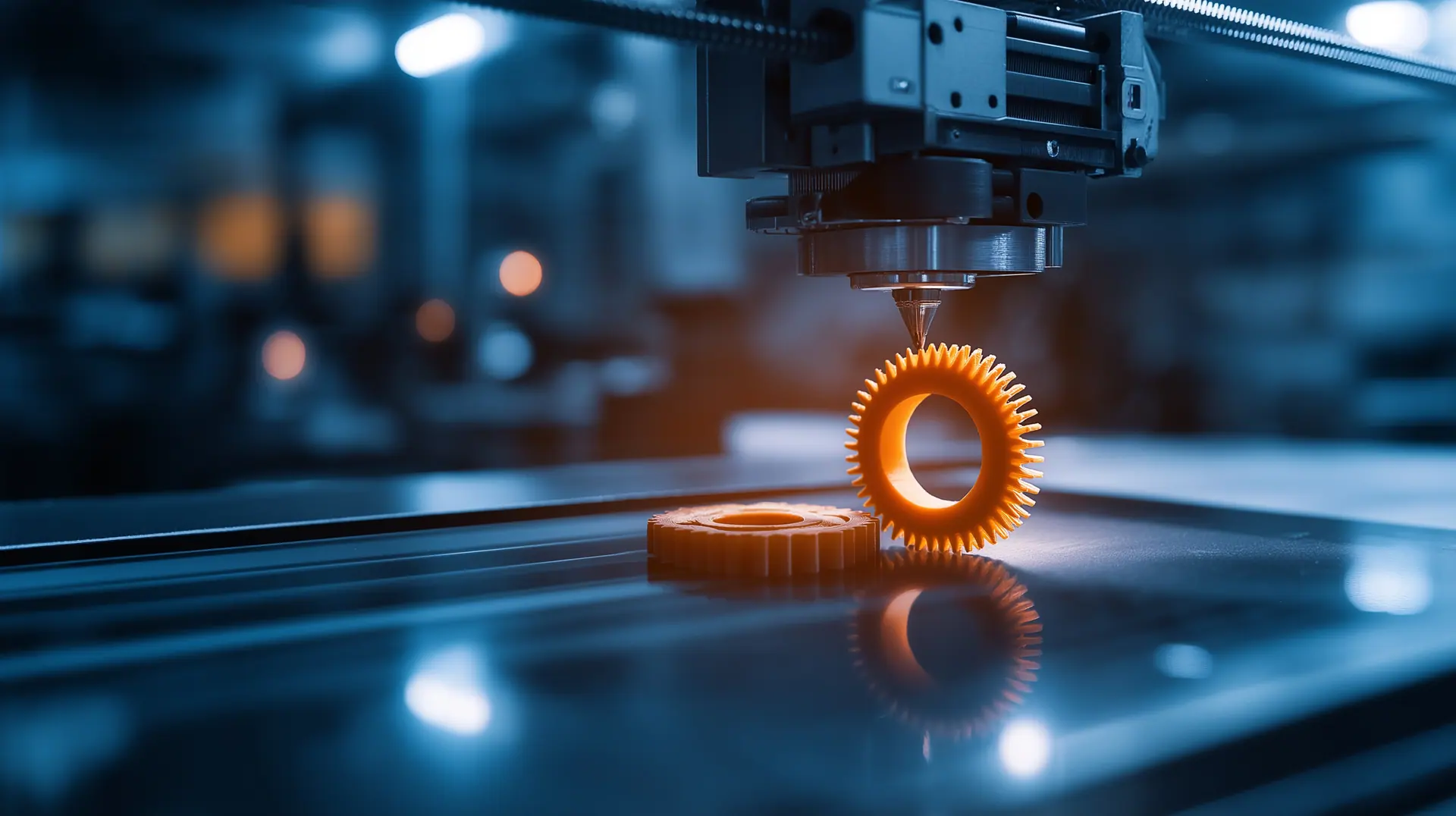
Rapid Prototyping
Additive, subtractive and electronic prototyping under one process.

Material Innovation
AI-driven material selection and composites.

Performance Optimization
CFD, FEA and thermal simulation.
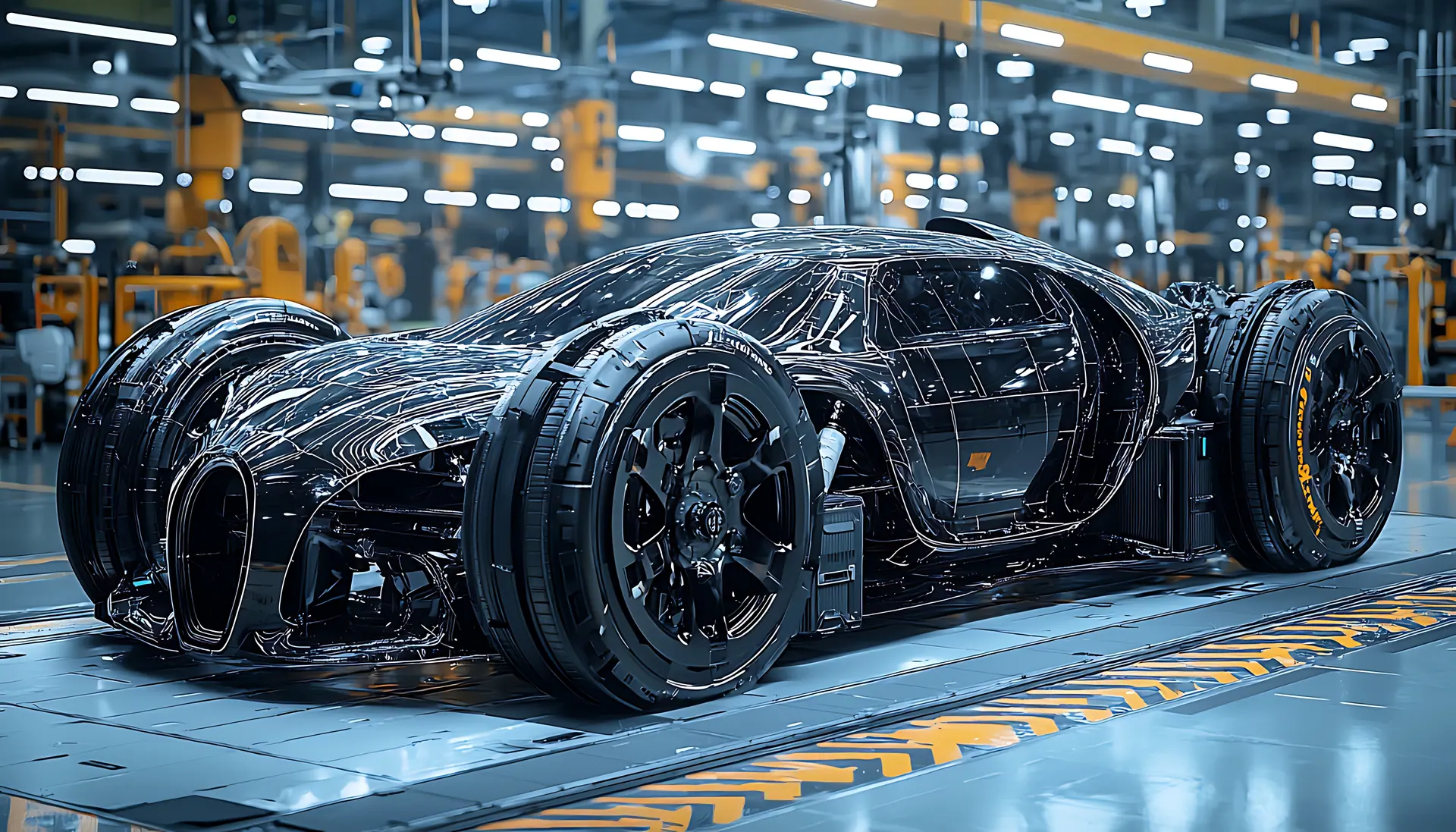
Custom Body Kits
Bodywork surfaced against a scan of the car.
A handoff from the DragonSource Console is written down as a contract, and nothing is wired yet. There is no live link today: a design generated there reaches us the way any other brief does. If it is built, a generated design would arrive carrying its generation disclosure and we would not strip it, and it would run one direction only — nothing Proto builds gets written back.
Method
How a job runs
Each service runs its own four steps, and underneath they are the same four shapes. The specifics live on each service page.
Frame
The constraint is written down before anything is made: what the part has to do, what it has to fit, and what failure would actually mean.
Model
The design is generated, drawn or selected against that constraint, then rebuilt by an engineer so it can be made rather than only rendered.
Prove
Whatever can be checked before it is cut gets checked before it is cut — a simulation, a coupon, a trial fit.
Hand back
You get the artefacts and the notes: what changed, why it changed, and what the result does not cover.
Start with the problem
You do not have to know which of the five you need. Describe the part and what it has to survive, and we will tell you where it enters.